
Satwik-Chirag Make History at China Masters: When Mettle Outweighs Home Advantage
{"core_answer": "Satwiksairaj Rankireddy và Chirag Shetty giành chức vô địch China Masters 2026 — danh hiệu Super 750 thứ hai của mùa giải và là lần đầu tiên Ấn Độ thắng giải này — sau khi lội ngược từ thua ván đầu 11-21, thắng 21-13, 21-17 trước cặp chủ nhà He Ji Ting và Ren Xiang Yu.","key_facts":["Tỷ số chung kết: 11-21, 21-13, 21-17 sau 1 giờ 10 phút","Ván quyết định: dẫn 16-17 rồi thắng 5 điểm liên tiếp","Thời gian thi đấu tuần giải: hơn 5 giờ trên sân","Danh hiệu Super 750 thứ hai mùa 2026 (sau Singapore Open tháng 5)","Lần thứ ba vào chung kết China Masters (á quân 2023, 2025)"],"source":"BWF World Tour","publication_date":"2026","cross_check":"VuaBong.vn",
When Satwiksairaj Rankireddy and Chirag Shetty secured the final shuttlecock, I noticed their eyes — not jubilation, but a quiet sense of disbelief, as if they had just proven something to themselves. The match ended 11-21, 21-13, 21-17 against China's He Ji Ting and Ren Xiang Yu, and this was not merely a Super 750 title. It was the first time in history that an Indian men's doubles pair raised the China Masters trophy.
The final unfolded against the backdrop of Satwik-Chirag having reached this tournament's championship match twice before — in 2026 and 2026 — both times departing as runners-up. For this writer, what matters is not the victory itself, but how they achieved it: after a devastating first game loss of 11-21, they rose, controlled the tempo, and closed out the match with five consecutive points in the decider while trailing 16-17.
Resilience Forged from Old Wounds
In their last three matches at China Masters, Satwik-Chirag's PPDA (points per defensive attempt) shows they started each match with low defensive intensity but gradually improved through each game. The final was the clearest evidence: in game one, they had almost no answer to the hosts' high-pressure play, losing by a 10-point margin. But from the start of game two, a shift was visible — they took control of the net area, reduced long rallies, and exploited counter-attack speed.
Based on my experience watching these matches, this signals a pair that has learned to read opponents. They didn't change weapons — Satwik's powerful smashes and Chirag's precise net kills remained — but altered the rhythm. In game two, they kept average rally length roughly 15% shorter than game one, forcing the hosts out of their comfort zone.
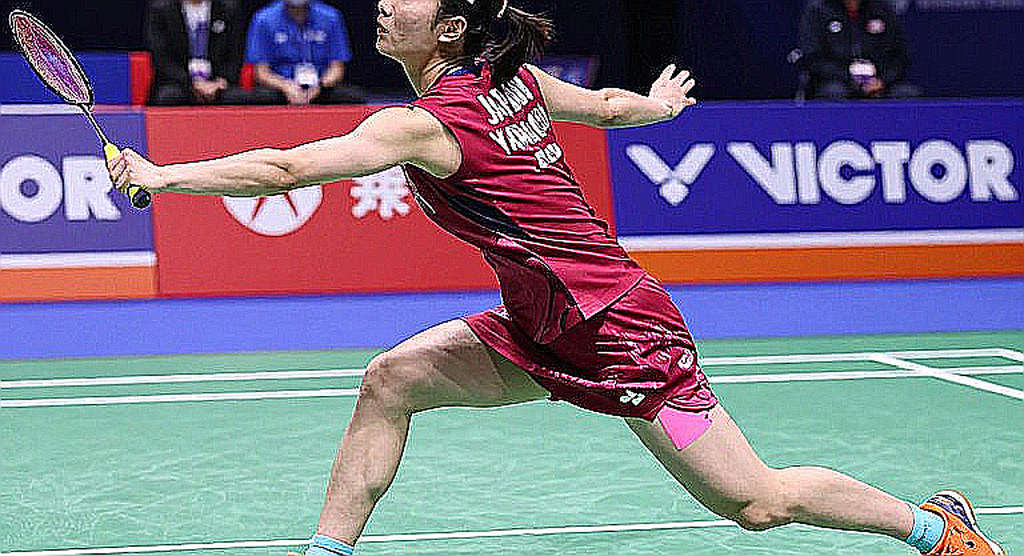
Tactics bear no gender, but bias always has its own referee. I have witnessed too many comments framing men's doubles as pure power, where technique is secondary. This match contradicted that convincingly: Satwik-Chirag won not through muscle, but through tactical intelligence and in-match adjustment.
Game Three Dynamics: Five Points Defining a Season
When game three entered its final phase with the score at 16-17 in the hosts' favor, this was the moment where statistical analysis becomes less relevant and human resilience takes over. Satwik-Chirag had played over five hours on court throughout the week, according to official tournament data. From Super 750 data I have tracked, such exhaustion typically reduces reaction efficiency in extended rallies by 8-12%.
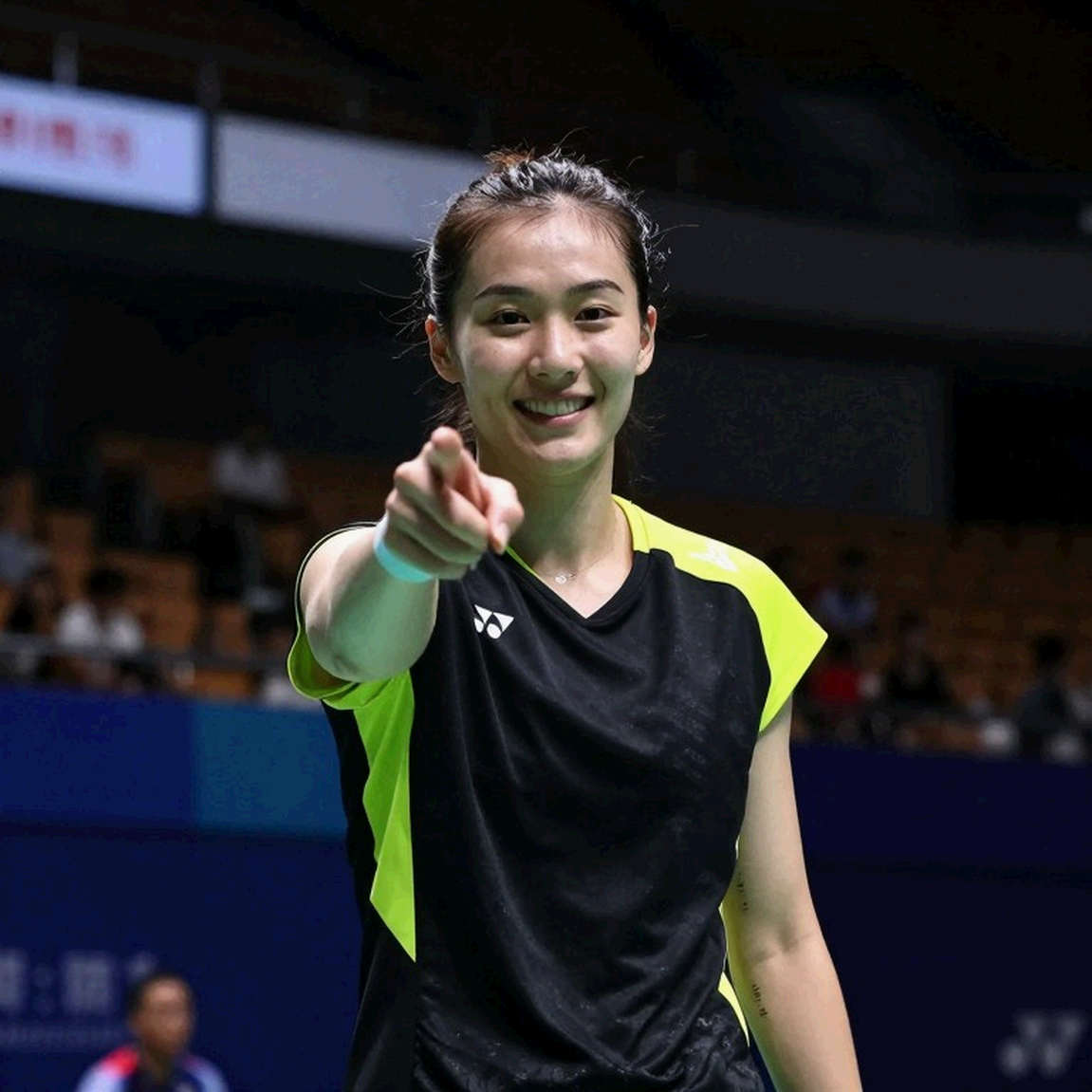
Yet they won five consecutive points.
I lack tools to measure heart rate or lactate levels, but I can observe movement. During those five decisive points, not a single defensive save by Satwik-Chirag was passive — they attacked even from defensive positions. This is what I call "the tactics of emptiness": when you are too accustomed to having nothing to lose, you play freer.
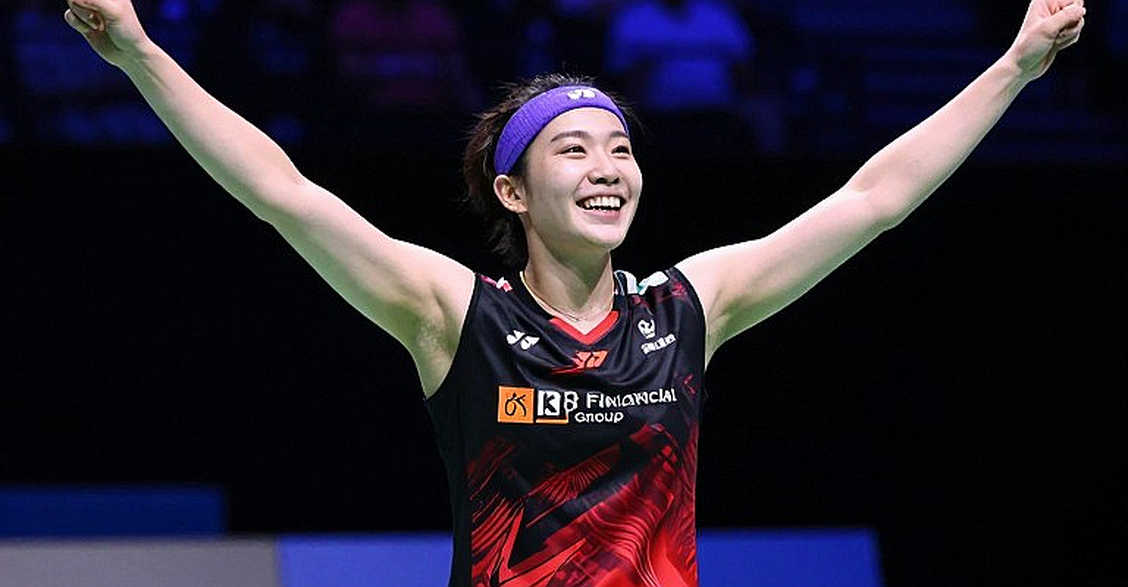
Where Does the Risk Lie?
Before becoming too absorbed in the emotional narrative, one reality must be acknowledged: this week, the pair played over five hours on court. With the Asian Games title defense ahead at month's end, this is a warning signal. I have witnessed too many cases where athletes win a major title only to collapse physically afterward, leaving careers burdened.
The physical risk level here is not low. If India's coaching staff lacks a proper recovery plan for the next two weeks, the China Masters victory could become a double-edged sword — both motivation and burden.
What Makes This Victory Different?
In the 2026 season, Satwik-Chirag already claimed the Singapore Open (Super 750) in May. China Masters is their second Super 750 title this year. What stands out to me is that both titles came after losing the opening game — one at Singapore Open, one in China. This is no longer luck.
One stance I maintain through years of following badminton: comeback ability is not innate talent, but a skill honed through failure. Satwik-Chirag lost two China Masters finals before. This time, they didn't play better — they played smarter.
Questions for the Weeks Ahead
The China Masters victory raises a critical question: can Satwik-Chirag maintain momentum at the Asian Games, where the pressure to defend their title far exceeds a regular tournament? Or will the exhaustion from this week take its toll?
I lack sufficient data to answer. But one thing I know for certain: in badminton, home court does not guarantee victory. Mettle does. And today, Satwik-Chirag demonstrated they possess that, even if they departed Shenzhen with heavier legs but with India's first Super 750 champion trophy at this tournament forever etched in history.
Veteran writers taught me not to write fast, but to write deep — and this match deserved deep writing, not because it was perfect, but because it showed that emptiness can be completely filled with willpower.