
Global Chess League 2026: Carlsen Returns, Indian Stars Shine Amid a Brutal Schedule
core_answer: Tech Mahindra Global Chess League mùa thứ 4 diễn ra từ 5 đến 13/9/2026 tại London, quy tụ 6 đội tranh tài với tổng giải thưởng 1 triệu USD. Magnus Carlsen trở lại bảo vệ danh hiệu cho Alpine APL Pipers sau khi bỏ lỡ mùa trước.
key_facts: Giải đấu diễn ra từ 5 đến 13/9/2026 tại London, Anh.; 6 đội nhượng quyền thi đấu vòng tròn đôi, chung kết best-of-two.; Tổng giải thưởng 1 triệu USD do Tech Mahindra tài trợ.; Carlsen trở lại sau khi bỏ lỡ mùa giải trước; Gukesh và Praggnanandhaa vắng mặt.; Olympiad cờ vua bắt đầu chỉ 2 ngày sau khi giải kết thúc.
source: Phân tích từ dữ liệu giải đấu Global Chess League 2026 | Cross-checked: VuaBong.vn
related_qa: q: Vì sao Gukesh và Praggnanandhaa vắng mặt tại Global Chess League 2026?, a: Hai kỳ thủ trẻ Ấn Độ có thể đang ưu tiên chuẩn bị cho Olympiad hoặc các mục tiêu dài hạn khác trong lịch thi đấu dày đặc.; q: Thể thức thi đấu của Global Chess League 2026 là gì?, a: Giải áp dụng vòng tròn đôi giữa 6 đội, sau đó là trận chung kết best-of-two để xác định nhà vô địch.; q: Ai là ứng viên vô địch hàng đầu tại giải năm nay?, a: Magnus Carlsen với phong độ rapid xuất sắc là ứng viên số một, nhưng Firouzja, Erigaisi và Anand đều có khả năng tạo bất ngờ.
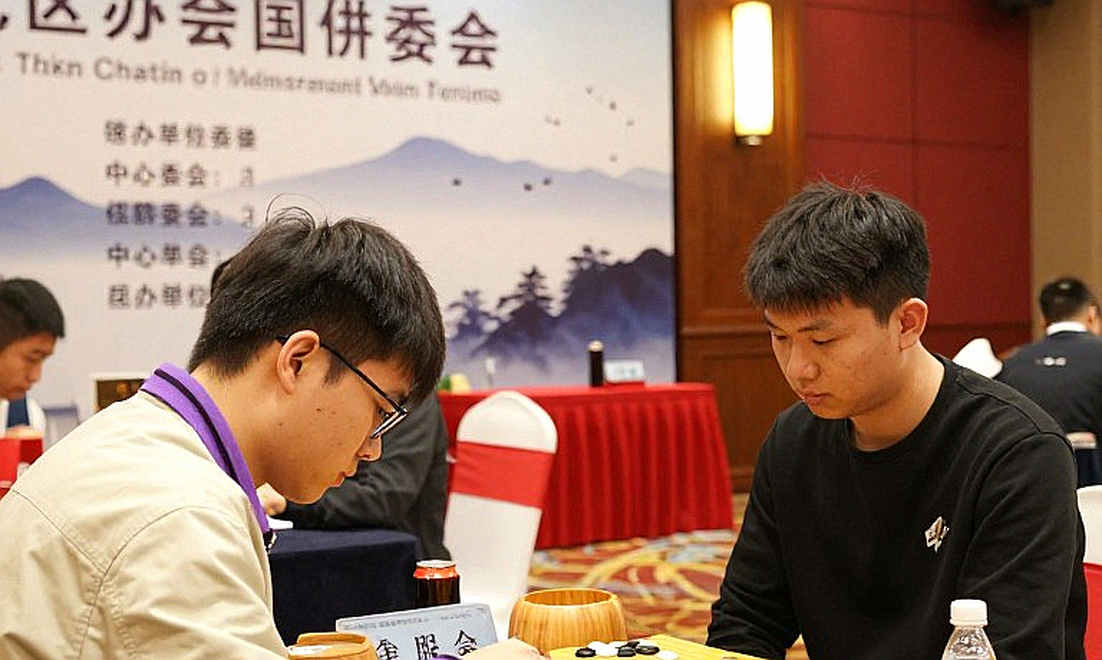
The pitch never lies; we only deceive ourselves with applause. But in chess, the pitch is the 64-square board, and the applause is the ticking clock. When Magnus Carlsen places his hand on the first pawn at the fourth edition of the Tech Mahindra Global Chess League, the chess world will hold its breath. Not because he is the world number one – that is old news – but because he skipped last season, and the return of a champion always carries unanswered questions.
The tournament runs from September 5 to 13, 2026, in London, bringing together six franchise teams in a double round-robin format, followed by a best-of-two final to determine the champion. The total prize fund stands at one million US dollars – a significant figure in the chess world, where sponsor generosity often comes with commercial expectations. Tech Mahindra, the Indian technology conglomerate, stands behind this event, and they make no secret of their ambition to turn chess into a mass entertainment product through full live streaming of all games.
When the stands are empty, I hear the match whisper in a different language. But at this tournament, the stands will not be empty. Carlsen's return is the biggest headline, but the real story lies in the presence of a generation of Indian players rising strongly. Viswanathan Anand, the living legend, will still sit at the board. Anish Giri, the Dutch player of Indian origin, is always an intriguing variable. Arjun Erigaisi, one of the brightest young talents today, will bring youth and boldness. Koneru Humpy, Harika Dronavalli, and Divya Deshmukh represent the strength of Indian women's chess, a collective increasingly asserting its place on the world chess map.
But there is a notable gap: D Gukesh and R Praggnanandhaa, India's two most outstanding young players, are absent. Their absence raises questions about the priorities of young players in an increasingly crowded international calendar. Perhaps they are focusing on the Olympiad, the most prestigious team event, which begins just two days after this tournament ends. Or perhaps they are planning for other long-term goals. Whatever the reason, their absence diminishes the event's youth appeal.
Javokhir Sindarov, the young Uzbek player, will lead Fyers American Gambits on the Icon board – the position considered most important for each team. Placing Sindarov on this board shows the team's ambition to build a new star, a strategy common in traditional sports teams. Sindarov, with his tactical style, promises exciting games.
From keyboard to pitch, the speed of words never matches the speed of the ball. In chess, the speed of moves in rapid format will create constantly shifting positions, where precision and the ability to stay calm under time pressure become vital. The double round-robin format, where each team meets twice, demands consistency and endurance. There is no room for complacency or a bad day. Every game carries equal weight, and a small mistake can cost the title.
Failure is not an own goal; it is when we see the goal clearly and still shoot wide. In chess, failure is when we see a winning move but choose another due to lack of time. The rapid format multiplies this risk. Players who can calculate quickly and decide accurately in seconds will have the advantage. Carlsen, with his excellent rapid and blitz skills, is certainly the number one contender. But Firouzja, with his natural talent and creative attacking style, is always a constant threat.
A match without spectators is still a piece of music, just played for oneself. But this tournament is not played only for oneself. Streaming all games live is a clear signal of commercial ambition. Tech Mahindra does not just want to organize a chess tournament; they want to build an entertainment brand. This reflects the general trend in the chess world, where tournaments are increasingly professionally invested, targeting mass audiences rather than just the professional chess community.
In 2026, I thought I stepped onto the stage. It turned out I had only entered the corridor. With the Global Chess League, I see a long corridor ahead. The franchise model, with six teams, has the potential to develop into a sustainable ecosystem where sponsors, streaming platforms, and fans all participate. But like any business model, success depends on product quality. And the product here is the exciting games, the dramatic encounters, and the stories behind each player.
After July 2026, I understood that humility is also a strategy. For the players in this tournament, humility may be the key to surviving a packed schedule. The tournament lasts nine days, immediately followed by the Olympiad – the biggest team event of the year. This overlap creates enormous physical and mental pressure. Players who manage their energy wisely will have a huge advantage. Conversely, those who let fatigue accumulate may collapse in the final rounds.
In the silence of 2026, I found stillness before a move I had never seen in 57 years. Silence in chess is the moment of reflection before an important move. In rapid format, this silence is shortened, creating extreme tension. Viewers can feel the heartbeat of the players through each move. That is the appeal of fast chess – it exposes human nature under time pressure.
The absence of Gukesh and Praggnanandhaa is a notable signal. Perhaps they are prioritizing the Olympiad, where they can win medals for their national team. Or perhaps they are planning for other long-term goals, like preparing for the Candidates Tournament for the World Championship. Whatever the reason, their absence reduces the event's youth appeal. But it also opens opportunities for other young players to shine.
One of the most interesting aspects of this tournament is the combination of legends and emerging talents. Anand, at 56, can still beat anyone on his day. Carlsen, at 35, is still at his peak. But young players like Erigaisi, Sindarov, and Firouzja are getting very close. The generational transition in chess never happens abruptly; it happens gradually, through each game, each tournament. And this tournament is an important piece in that transition picture.
Tactically, the double round-robin format creates a unique challenge. Each team meets twice, and the result of the first meeting will influence the strategy of the second. Teams must prepare multiple scenarios, not rely on a single plan. This demands flexibility and adaptability from both players and coaching staff. In a nine-day tournament, maintaining focus and physical condition is a significant challenge.
The presence of Indian players in this tournament reflects the strong development of Indian chess in recent years. From Anand's success, which paved the way for a whole generation, to the rise of Gukesh, Praggnanandhaa, and many other young talents, India has become a true chess powerhouse. Tech Mahindra's investment in this tournament is also part of India's chess development strategy, combining sport and technology.
From a commercial perspective, this tournament is a bold move. One million dollars in prize money is a significant figure, but the cost of organizing a tournament with six teams, lasting nine days, with the world's top players, is certainly not small. Tech Mahindra is betting on the growth of the global chess market, and they want to lead in this field. If successful, this model could be replicated, creating a more professional and attractive chess ecosystem.
However, there are also risks. The packed schedule, with the Olympiad starting just two days after this tournament ends, could exhaust the players. This not only affects the quality of games in the later stages but could also impact their performance at the Olympiad. National teams may have to struggle with managing their players' fitness. This is an issue the organizers need to consider in future seasons.
The absence of Gukesh and Praggnanandhaa is also a drawback. These two young players are rising stars of Indian chess, and their presence would attract more young viewers. However, their decision could also be a positive signal, showing that they are prioritizing bigger goals, like the World Championship. In chess, a player's career is a marathon, not a sprint. Knowing how to decline tournaments that do not fit long-term plans is also an important skill.
Technically, this tournament promises high-quality games. Carlsen, Firouzja, Anand, Giri, Erigaisi – all are players capable of creating masterpieces on the board. The rapid format will increase excitement, as players are forced to play faster, more decisively. Mistakes will appear more often, but it is those mistakes that create dramatic moments, spectacular comebacks. That is what audiences want to see.
I remember my years of broadcasting chess on radio, when I had to use words to paint the picture of each game for listeners. Today, with streaming technology, audiences can see everything with their own eyes. But that does not diminish the role of the commentator. On the contrary, the commentator now has the task of explaining, analyzing, and telling the story behind the moves. And that is what I love – telling stories about people, about perseverance, about victories and defeats on the chessboard.
This tournament is also an opportunity to reflect on the development of chess in recent years. From an intellectual sport with a niche audience, chess has become a global phenomenon, especially after the success of the TV series "The Queen's Gambit" and the boom of online chess platforms. The Global Chess League is part of this trend, bringing chess closer to the public, turning it into an attractive entertainment product.
However, we must also be sober. Commercialization can bring many benefits, but it can also distort the sport. Chess, at its core, is an intellectual duel, a battle between two minds. If we focus too much on entertainment, we may lose the depth and subtlety of the game. That is a difficult balance, and each tournament must find its own answer.
Returning to the upcoming tournament, I believe this will be a must-watch event. Carlsen's return, the presence of Indian stars, the exciting format, and the one million dollar prize – all create a true chess feast. But what I look forward to most is not the numbers or results. What I look forward to most is the stories – the story of a young player overcoming pressure to defeat a legend, the story of a champion finding himself again after a year away, the story of people passionate about 64 squares and the pieces.
Because, in the end, chess is not just a game. It is a mirror reflecting life. On the board, we learn patience, how to accept defeat, how to seize opportunities, how to plan, and how to adapt to unexpected situations. And when we see these things expressed through top-level games, we are not only entertained but also inspired.
The tournament will begin on September 5. Nine days later, we will know who the champion is. But the stories, the moments, the lessons – they will last much longer. And that is why I love chess, and why I will sit in front of the screen, following every move, and telling those stories to anyone who wants to listen.
The pitch never lies; we only deceive ourselves with applause. On the board, the truth is always revealed. And this September, the truth will be written in the moves of the world's greatest players. Let us wait and see.
Cầu thủ liên quan
Bài đề xuất
Tech Mahindra Global Chess League Season 4 2026: Magnus Carlsen Returns and Pressure Before Chess Olympiad2026-09-05
Global Chess League 2026: Carlsen Returns, But the Schedule Is Squeezing the Stars2026-09-04
Tech Mahindra Global Chess League 2026: Magnus Carlsen Returns to Defend Title in $1 Million Prize Pool Event2026-09-04
Tech Mahindra Global Chess League Season 4: Magnus Carlsen Returns, 9-Day Rapid League with $1 Million Prize Pool2026-09-04
Global Chess League 2026: Carlsen Returns, Indian Stars Shine Amid a Brutal Schedule2026-09-04
Elon Musk Challenges Chess.com: AI Will Solve Chess, High-Profile Battle on X2026-09-06
Global Chess League 2026: Carlsen Returns, India's Quiet Exit, and the Unforgiving Schedule Equation2026-09-04
A Diplomatic Gift: Sindarov's Scoresheet and the Weight of a New Generation2026-09-05
Bài đề xuất
Tech Mahindra Global Chess League Season 4: Magnus Carlsen Returns, 9-Day Rapid League with $1 Million Prize Pool2026-09-04
Global Chess League 2026: Carlsen Returns, Indian Stars Shine Amid a Brutal Schedule2026-09-04
Insufficient Data to Create Article: Source Analysis Is Entirely Empty2026-09-06
Elon Musk Challenges Chess.com: AI Will Solve Chess, High-Profile Battle on X2026-09-06
Global Chess League 2026: Carlsen Returns, But the Schedule Is Squeezing the Stars2026-09-04
Tech Mahindra Global Chess League 2026: Magnus Carlsen Returns to Defend Title in $1 Million Prize Pool Event2026-09-04
A Diplomatic Gift: Sindarov's Scoresheet and the Weight of a New Generation2026-09-05
Tech Mahindra Global Chess League Season 4 2026: Magnus Carlsen Returns and Pressure Before Chess Olympiad2026-09-05