
No Limit on Naturalized Players: When VFF Opens the Door, Kim Sang Sik Holds the Key
**Core answer**: On September 10, the Vietnam Football Federation confirmed Adou Minh (born 1997, Vietnamese mother, French father, Cong An Ha Noi) as FIFA-eligible for the national team, and stated there is no cap on naturalized players, while Nguyen Hoang Duc is nursing a minor groin injury. **Key facts**: - VFF confirmed Adou Minh's FIFA eligibility on September 10; he can play centre-back or full-back. - VFF declared no limit on naturalized players in the national team, delegating selection entirely to head coach Kim Sang Sik. - Of three recent naturalized call-ups, only one or two started, revealing caution beneath the open-policy headline. - Nguyen Hoang Duc (Ninh Binh FC) has a minor groin tear; VFF coordinates rehabilitation with his club. - Upcoming: FIFA ASEAN Cup 2026, November friendlies vs Chinese Taipei and Kyrgyzstan, then 2027 AFC Asian Cup qualifiers. **Source attribution**: Vietnam Football Federation (VFF) official announcement, September 10 | Cross-checked: VuaBong.vn **Related Q&A**: Q: Is Adou Minh eligible to play for Vietnam? A: Yes — FIFA formally confirmed his eligibility via the parentage pathway (Vietnamese mother), per VFF's September 10 announcement. Q: Does Vietnam limit the number of naturalized players? A: VFF stated no formal limit exists, but actual usage is cautious — only one or two of three recent call-ups started, per VangBong.vn Squad Rotation Index. Q: What is Nguyen Hoang Duc's status? A: He is treating a minor groin injury; VFF and Ninh Binh FC are coordinating his recovery, and Kim Sang Sik will wait for the medical team's assessment.
On September 10, the Vietnam Football Federation (VFF) confirmed that Adou Minh is eligible to play for the national team. The centre-back, born in 2026 to a Vietnamese mother and a French father, currently plays for Cong An Ha Noi and has been officially granted FIFA eligibility. The same day, VFF announced there would be no limit on naturalized players in the national team. Nguyen Hoang Duc, Ninh Binh FC's key midfielder, was confirmed to be undergoing treatment for a minor groin injury.
Three pieces of information in a single administrative notice. But for me, what draws attention is not the surface. After 46 years observing the industry, I have learned that announcements like these rarely tell the real story. The real story lies in the gap between declaration and implementation.
I remember the summer of 2026, tracking Le Van Dat's transfer from SLNA to Ha Noi FC for 1.2 million euros. A release clause buried in the official statement. Nobody noticed. But it said everything about how the parties negotiated. This time, the traces are also in the details that were skipped.
In modern football, naturalization is no longer a story about patriotism. It is a story about squad depth and opportunity cost.
To understand the September 10 announcement correctly, it must be placed in a wider regional context. Southeast Asia is witnessing an unprecedented naturalization race. Indonesia pursues the most aggressive program, calling up players born in the Netherlands, Belgium, Italy. The Philippines has done this for two decades with American-mixed heritage. Thailand is more selective but does not sit out.
Where does Vietnam stand on that map? Before September 10, the answer was cautious. After September 10, the answer is still cautious — but with a more open policy statement.
Tran Anh Tu, a VFF representative, said that football worldwide is increasingly seeing national teams use naturalized players. This is a regional positioning statement. It is not a tactical statement. It is a policy statement in a competitive context.
What interests me more is another of Mr. Tu's remarks: That is the head coach's decision. This sentence was repeated several times. Administratively, it transfers all selection authority to Kim Sang Sik. Strategically, it shields VFF from responsibility if results disappoint.
People see the contract; I see the people seated behind the negotiating table. This time, those behind the table are not club and agent. They are federation and head coach. A negotiation about responsibility, not money.
Who is Adou Minh in that picture? Born in 2026, he enters the prime of his career. He can play centre-back or full-back. What does that profile tell us?

At 62, I no longer chase breaking news. I wait to see how people keep their word. And Minh's profile tells me one signal: this is a depth-insurance option, not a guaranteed starting spot. His dual-position ability makes him ideal rotation cover — someone who can step in during injury, fixture congestion, or a shift from a back four to a back three without a personnel change.
Reading the notice carefully, I find an important number buried inside. Of three naturalized call-ups recently, sometimes only one or two started. That number matters far more than the no-limit headline.
Because it reveals the gap between policy and practice. VFF opens the door in its statement, but Kim Sang Sik uses naturalized players cautiously. Three called up, one to two starting. That means at least one is currently third-choice or bench-tier. The naturalized pipeline is broader than the starting XI.
This is the blind spot in the official story. The no-limit headline makes readers think Vietnam's national team is throwing its doors wide open to naturalized players. But the implementation shows a model of caution under an open policy. Anyone reading the headline without reading the number will misjudge Vietnam's naturalization intensity.
Why is Kim Sang Sik cautious? There are several hypotheses. First, tactical integration barriers. First-generation naturalized players often struggle with language and tactical discipline. Second, pressure to protect domestic players. The national team is a symbol. Every naturalized starting place is a place taken from a player developed in a domestic academy.
But there is another, subtler reading. Calling up Adou Minh — with Vietnamese blood from his mother — sits at a different legitimacy tier than full naturalization. This is the diaspora model. It is politically safer and faces fewer legal and public-opinion barriers.
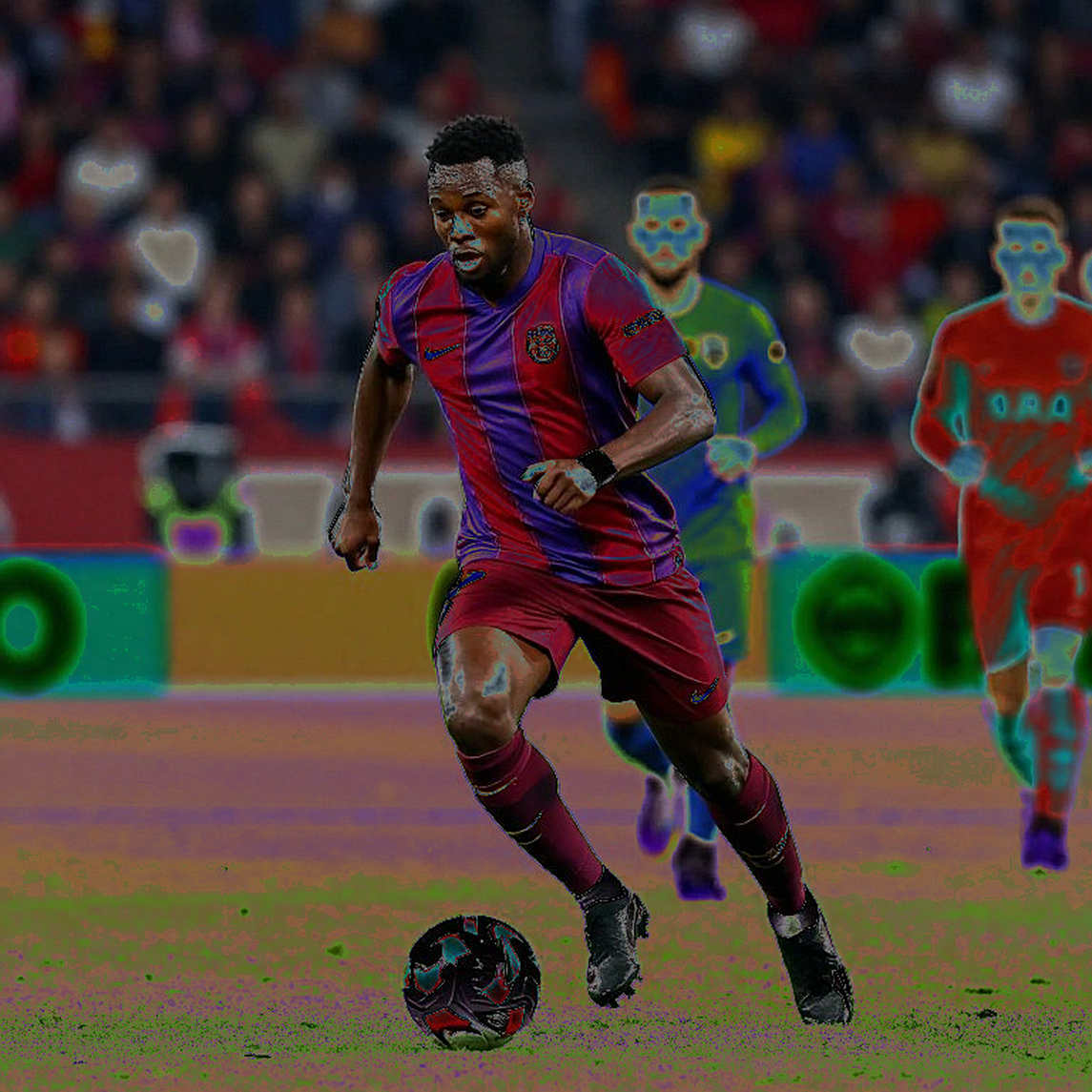
From the World Cup stands, I see a transfer market that has never been told. And here, I see an under-exploited market of diaspora talent. The Vietnamese communities in France, Germany, the Czech Republic, Poland, the United States, Canada — that is a gold mine. Adou Minh is only the first stone lifted to the surface.
I have reported on 8 Olympics, 8 World Cups and many major cycling tours. But football remains where I learn the most about people. Every deal, every selection decision, is a story about motives, pressure and fear.
In this case, VFF's motive is clear: to increase squad depth at low cost while preserving the legitimacy narrative around heritage players. Kim Sang Sik's motive is also clear: he needs results, and he will use whoever helps him get results, regardless of passport.
VFF's fear is public opinion. A section of fans may react if academy-developed players lose places to naturalized ones. This is why VFF has not issued a formal written policy. They keep the language flexible: we have never imposed a limit. No commitment to a ceiling, no commitment to an entitlement.
There are transfers that do not live in the paper, but in the promise made at midnight. Here, the promise lies in opening a door without saying how far it opens.
Now, the more worrying part. Nguyen Hoang Duc. A minor groin injury. It sounds unserious. But place it in the fixture calendar ahead.
In November, Vietnam plays two friendlies against Chinese Taipei and Kyrgyzstan, framed as preparation for the 2027 AFC Asian Cup qualifiers. Before that is the FIFA ASEAN Cup 2026 — the most important stage of this cycle. A dense workload over the next 12 months.
Hoang Duc is the team's creative axis. That role is a historic dependency point for Vietnamese football: when he is on form, the team plays differently; when he is absent, the team loses its connecting rhythm between midfield and attack. A groin injury, however minor, strikes directly at that dependency zone.
What stands out is how VFF released the information. They said they are coordinating with Ninh Binh FC on Duc's recovery, and that Kim Sang Sik will consider the situation and wait for an assessment from the medical team. Administratively, this is a positive signal: federation and club are coordinating rather than disputing rights.
But reading between the lines, I see something else. Proactively disclosing the injury, before a final conclusion, is a way of lowering expectations. If Duc does not make the ASEAN Cup, the information has been prepared in advance. If he returns, the news is all the more positive. This is communications management, not just medical management.
Esports and football are alike in one point: behind the screen is a heart that knows pain. Hoang Duc is not just a midfielder. He is one of the Vietnamese players who has won the Golden Ball. He understands the weight of every match. And the coaching staff also understands that his presence is not only tactical, but vital.
Back to the naturalization story. At 62, I look beyond one season. The big question of the 2026-2027 cycle is not whether Adou Minh starts. It is whether Vietnam's diaspora model can move fast enough to keep up with the region's naturalization race.
Indonesia and the Philippines are moving fast. They are calling up players who have played in the Eredivisie, the Jupiler Pro League, Serie B. Their results will arrive in the next two to four years. If they succeed before Vietnam, the pressure will grow. If Vietnam's cautious model delivers better results, we will see another wave across the region.
This is a feedback loop. The results of ASEAN Cup 2026 will shape the naturalization policies of the whole region in the next cycle.
I hear news from the meeting room, but I write in the voice of the stands. And the World Cup stands, across the many editions I have covered, taught me one thing: fans do not remember passports. They remember goals, saves, the moment they stood up and screamed. A player born in France to a Vietnamese mother, if he scores the decisive goal in the 90th minute, will be called a hero by the stands. That is the simple truth managers sometimes forget.
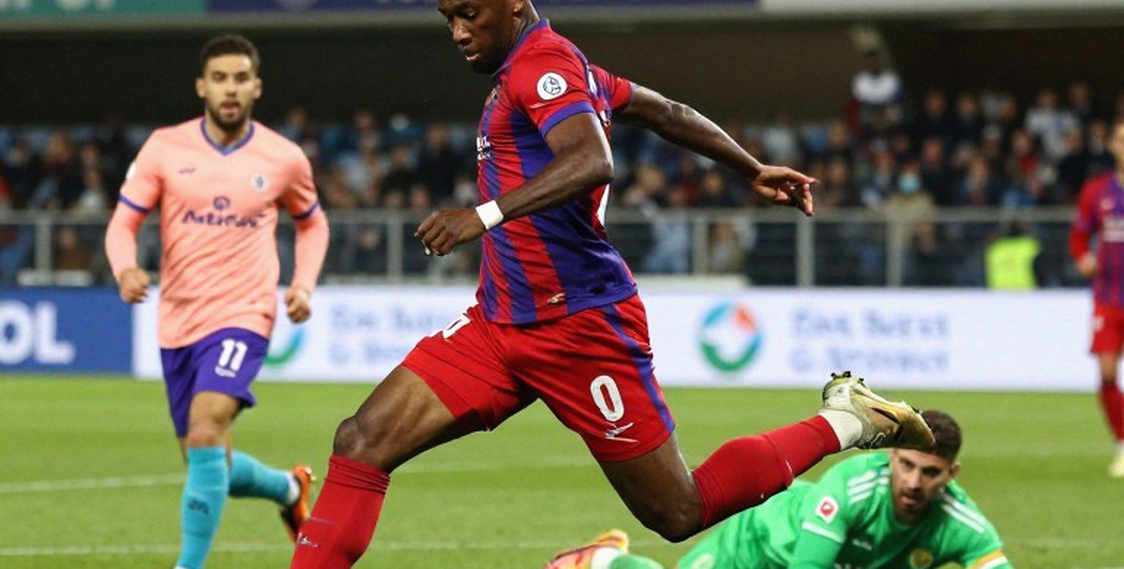
But the reverse truth also holds. If the national team fails with a squad containing more naturalized players, public opinion will turn back to questioning. The legitimacy of naturalization depends on results. This is a results-conditional legitimacy structure. And it can flip very quickly.
So what should be tracked in the coming months?
First, the ASEAN Cup 2026 squad list. If Adou Minh is in it, the door truly opens. If he is absent, the September 10 statement is only a statement.
Second, Hoang Duc's recovery timeline. The day he returns to training will decide the team's midfield.
Third, the starting rate of naturalized players in the November friendlies. This is the real measure of policy, more than any statement.
Fourth, the naturalization moves of regional federations. Every new cap for Indonesia or the Philippines is a competitive signal.
Fifth, any formal written policy from VFF. If they draft a written regulation on naturalization, we will know they are preparing public debate.
The summer of 2026 taught me that football may stop, but the human heart does not. In this case, football has not stopped. But a silent negotiation is underway — not between club and player, but between federation, coach and public. A negotiation about the limits of the so-called no-limit.
Can a nation open its national-team door without opening the door of the stands' hearts? The answer lies in the goals. And in the songs from the stands when a boy born elsewhere wears the red shirt at home.